Responsible For The Car Key Budget? 10 Fascinating Ways To Spend Your Money
Understanding Car Key Programming: A Comprehensive Guide
In the modern automotive landscape, the intricacy of vehicle keys extends beyond simple metal pieces that open doors and begin engines. Enter the realm of car key programming, a vital process essential to contemporary vehicle security systems. This short article delves into the depths of car key programming, covering its value, kinds of keys, the programming process, and typical concerns.
What is Car Key Programming?
Car key programming is the process through which a vehicle's onboard computer acknowledges a key or fob. Historically, vehicle keys were mechanical devices that ran basic locks. However, with developments in innovation, especially in electronic systems, keys evolved into advanced devices equipped with chips that make it possible for various functions, including remote gain access to, engine immobilization, and coded alarm systems. The process involves configuring these chips to synchronize with the vehicle's security system, guaranteeing that just authorized keys can access the vehicle.
Significance of Car Key Programming
The significance of car key programming can not be overstated for numerous reasons:
- Security: An accurately configured key is necessary to avoid unauthorized access, minimizing the danger of theft.
- Performance: Keys today feature features such as remote locking, audio control, and panic buttons that require appropriate programming to function optimally.
- Convenience: Advanced programming permits keyless entry and ignition systems which boost the general user experience.
- Expense Efficiency: Proper programming can potentially conserve a car owner from investing money on key replacements or locksmith services in the future.
Types of Car Keys
Car keys have developed substantially over the years. Below are the primary types of car keys and fobs frequently discovered today:
1. Conventional Keys
- Description: These are standard metal keys without any electronic component.
- Programming: No programming is needed. They rely solely on mechanical lock and ignition systems.
2. Transponder Keys
- Description: These keys have an embedded chip that communicates with the vehicle's immobilizer system.
- Programming: Must be set to the specific vehicle, normally at the car dealership or by a specialized locksmith.
3. Key Fobs
- Description: These are handheld gadgets that from another location control numerous functions of the car, consisting of locking and starting.
- Programming: Often needs a programming tool, however some models can be self-programmed by following specific treatments.
4. Smart Keys
- Description: Smart keys enable keyless entry and ignition systems, often using proximity sensing units.
- Programming: Typically need innovative programming devices and frequently include dealership help due to their complexity.
5. Keyless Ignition Systems
- Description: These systems utilize buttons rather of traditional keys, allowing for push-to-start functionality.
- Programming: Similar to clever keys, they typically need unique tools or dealership services.
The Car Key Programming Process
The process for programming car keys can vary based on the type of key and the vehicle make and model. However, here's a generalized breakdown of the steps involved:
Step 1: Identify the Key Type
Before beginning the programming process, it is necessary to know the type of key— traditional, transponder, key fob, clever key, or keyless ignition. This identification will dictate the required programming technique.
Step 2: Obtain the Necessary Equipment
Depending on the key type, the following devices might be needed:
- OBD2 scanner
- Key programming tool
- Initial keys (if suitable)
- User handbook for programming instructions (for DIY attempts)
Step 3: Access the Vehicle's OBD Port
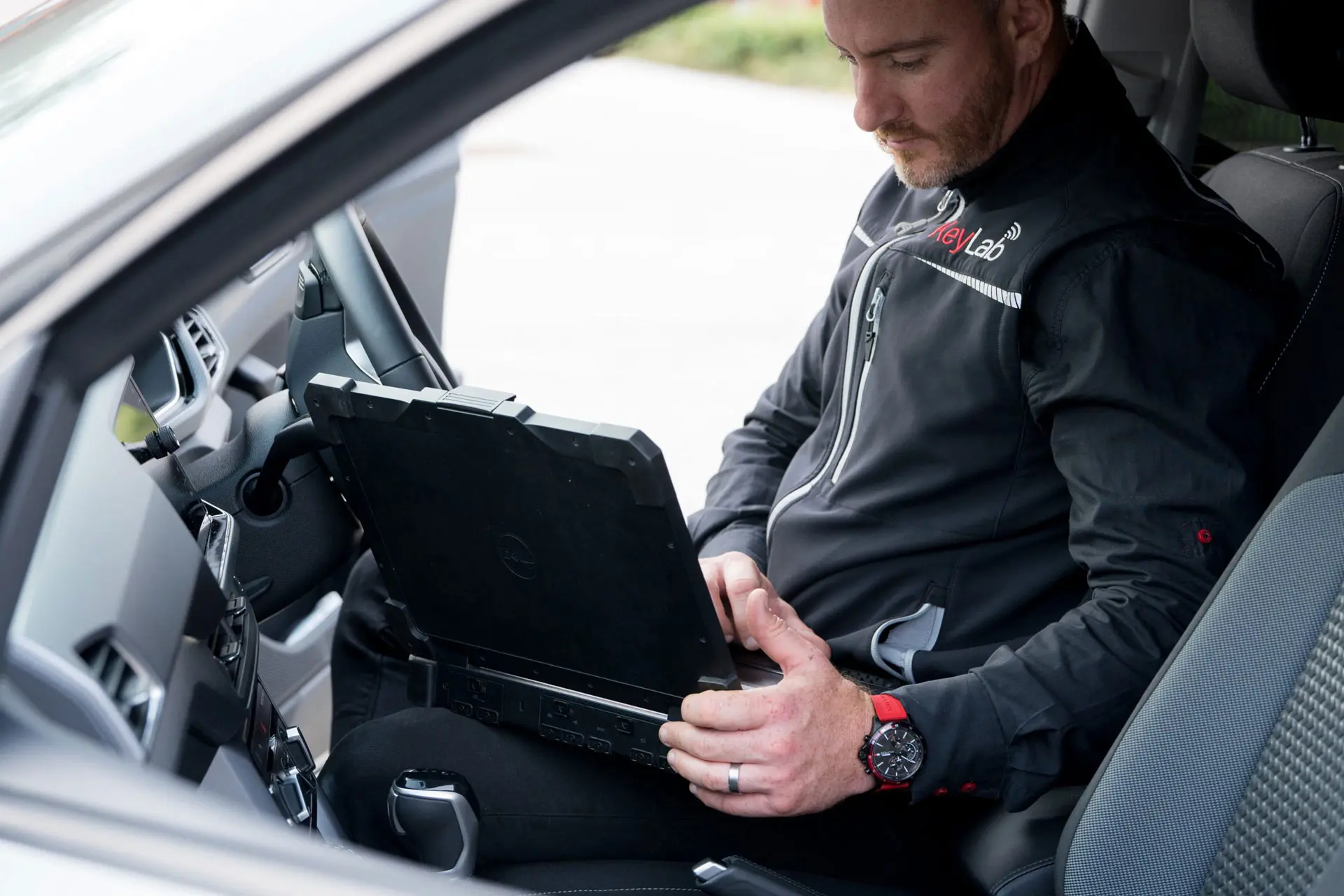
For lots of brand-new keys, the programming process uses the vehicle's onboard diagnostics (OBD) port. This step involves connecting a programming device to the OBD port frequently situated under the control panel.
Step 4: Follow Programming Instructions
Each key might come with specific directions relating to programming. These can be found in the owner's handbook or provided by a locksmith/dealer. Typically, the procedure may include:
- Inserting the key into the ignition
- Turning it to the “on” position
- Following triggers on the scanner or programming tool to finish the key pairing.
Step 5: Test the Key
After the programming is total, it is essential to test the key to guarantee it runs correctly with all functions like locking, unlocking, and starting the engine.
Key Type
Programming Required
Normal Cost Range
Conventional Key
No
₤ 5 – ₤ 15
Transponder Key
Yes
₤ 50 – ₤ 150
Key Fob
Yes (might differ by model)
₤ 50 – ₤ 300
Smart Key
Yes
₤ 100 – ₤ 500
Keyless Ignition
Yes, frequently dealership
₤ 150 – ₤ 400
Typical FAQs about Car Key Programming
Q1: Can I program my car key myself?
A1: In specific cases, yes. However, it frequently depends upon the make and design of your vehicle. Numerous contemporary keys require specialized tools and procedures, making expert help recommended.
Q2: How long does the programming procedure take?
A2: The length of the programming session can range from a few minutes to an hour, depending upon the key type and the complexity of the vehicle's security system.
Q3: What should I do if my key is not recognized after programming?
A3: If your key is not recognized, confirm that you followed the programming guidelines properly. If issues continue, speak with a professional locksmith or dealership.
Q4: Can I utilize any key for my car if it's the very same type?
A4: No, each key is distinctively coded to its particular vehicle. Keys need to be particularly set for private lorries to make sure operational compatibility.
Q5: Are there any risks related to DIY key programming?
A5: Yes, inaccurate programming can lead to key failure, security vulnerabilities, and prospective locking out from your vehicle. Expert help typically reduces these threats.
Car key programming is an important element of modern vehicle ownership, integrating convenience with improved security. Comprehending the types of keys, the programming techniques, and the importance of expert support when necessary can save car owners time, effort, and cash. With cars and trucks progressively becoming more highly advanced, knowledge of car key programming is necessary for any accountable vehicle owner. Keep in mind, when in doubt, consulting with an expert locksmith or your car dealership is always a smart option.